Review Article - (2023) Volume 14, Issue 7
Obesity has increased in prevalence around the globe; in many nations, 50–80% of people are overweight or obese. Obese population are opting for bariatric surgeries that include Laparoscopic sleeve gastrectomy. Laparoscopic Sleeve Gastrectomy is a less invasive surgical procedure and a form of bariatric surgery that has been shown to enhance the parameters of fatty liver disease and elevate rates of weight loss and type 2 DM recovery. The effect of Sleeve Gastrectomy (SG) in Nonalcoholic fatty liver diseases (NAFLD) and Nonalcoholic steatosis hepatitis in type 2 diabetes has been evaluated by using several different terms on the search engines and data bases such as Web of Science, PubMed, Google Scholar, Cochrane, Elsevier, Sage, Scopus. A total of 11 relevant studies were selected for the study discussion and evaluation. It was reported that after follow ups of years, SG poses a positive association on fatty liver diseases and type 2 diabetes and also increases rates of weight loss in obese patients.
Sleeve gastrectomy; Fatty liver diseases; Type 2 diabetes; Nonalcoholic fatty liver diseases; Nonalcoholic steatosis hepatitis; Weight loss
Obesity has become a significant prevalent condition worldwide; in many countries, 50-80% of individuals are overweight or obese. Worldwide, more than 1.7 billion adults are overweight, with over 300 million clinically obese. Obesity is a condition involving excessive abnormal fat accumulation around the body, posing an increased risk for health complications [1]. In accordance to the World Health Organization statistics, 39% of population around the world had a body mass index (BMI) of 25 kg/m2 or more in 2016 [2]. Obesity is associated with a number of ailments, including CVD, OSA, T2DM, nonalcoholic steatohepatitis (NASH), osteoarthritis (OA), and several malignancies [3]. It is notably related to a probable onset of type 2 diabetes. Obesity and being overweight with abdominal fat distribution contribute to about 80-90% of all type 2 diabetes cases and are significant barriers to good long-term diabetic care [4].
Type 2 diabetes mellitus (T2DM) is a growing worldwide health issue intimately related to the obesity pandemic [5]. T2DM is an insulin resistance disorder that results in hyperglycemia. By the secretion of pro-inflammatory cytokines and non-esterified fatty acids, abdominal obesity can lead to this condition of insulin resistance [3]. Numerous Diabetic patients suffering from obesity tend to choose bariatric surgeries in order to reduce their excessive weight instead of several other weight reduction methods such as changes in lifestyle, physical activity, and restrictive diets.
Obesity not only complicates type 2 diabetes but also complicates the liver leading to nonalcoholic fatty liver disease as well (NAFLD) [6]. NAFLD is a condition in which excess fat builds up in the liver, often due to obesity, and can lead to inflammation and liver damage [6]. According to research, obesity and delayed type 1 diabetes are medically promoted by genetically caused T2D, whereas genetically caused obesity, central obesity, and T2D all raise the likelihood of developing NAFLD [7]. As NAFLD is now the main reason of major liver problems globally, it might have a significant financial impact. Over 25% of the adult population is thought to be affected, and its prevalence is growing. Obesity and the growth in metabolic syndrome (MS) are correlated with prevalence [8]. Research has demonstrated that a bariatric technique called sleeve gastrectomy can significantly lessen liver fat and improve liver function in people with NAFLD [9]. According to one study, 40% of patients who underwent sleeve gastrectomy had their liver fat level brought down by about 20% [10].
Laparoscopic Sleeve Gastrectomy is a simpler surgical treatment, a type of bariatric surgery that has been shown to increase rates of weight reduction and type 2 DM remission [11]. Primary outcomes of bariatric surgery include long-term, stable weight loss and better co-morbid conditions including type 2 diabetes [12]. Bariatric surgery lessens excess weight to enhance living standards and the complications related with obesity [13]. The two most common methods of bariatric surgery nowadays are laparoscopic sleeve gastrectomy (LSG) and laparoscopic Roux-en-Y gastric bypass (LRYGB). Sleeve gastrectomy is a reasonably safe and eminent weight reduction treatment that can result in large and long-term weight loss. In Sleeve gastrectomy, a part of the stomach is surgically removed to create a smaller, "sleeve"-shaped stomach. As a result, the stomach can contain less food, resulting in a fullness sensation and reduced appetite [14].
The surgeon makes multiple small incisions in the stomach and uses specialized devices to remove around 80-85% of the stomach, leaving behind a thin tube or sleeve [15]. This decreased stomach size produces less hunger hormone ghrelin, which can help patients feel fuller for longer periods [15]. It is commonly suggested for those with substantial obesity-related health difficulties and a BMI of 35 to 40 [16]. However, the dangers and issues that might arise from this procedure are the same as those that could arise from any surgery. As it does not require an intestinal bypass or gastrointestinal anastomosis, sleeve gastrectomy has recently attracted much interest from surgeons [17].
Fatty liver disease, commonly known as nonalcoholic fatty liver disease, has been significantly impacted by sleeve gastrectomy (NAFLD). According to research, sleeve gastrectomy may greatly reduce fatty liver, and after LSG, the histology and liver function of individuals with morbid obesity considerably enhanced [18]. Simple hepatic steatosis, also known as nonalcoholic fatty liver (NAFL), is a condition in which excess fat accumulates in the liver. This condition is not related to alcohol consumption and is typically linked with obesity, insulin resistance, and other metabolic disorders [19]. Fat buildup in the liver can result in simple hepatic steatosis, which can inflame the liver and impair the liver cells. This can eventually result in liver fibrosis and scarring, developing into serious illnesses such as nonalcoholic steatohepatitis (NASH), cirrhosis, and liver failure [20]. In one study, researchers found that Liver steatosis improves following sleeve gastrectomy, with full resolution attained in 90% of patients [21]. Another research demonstrated that SG treatment benefited 44.7% of patients with steatosis, 74.6% of patients with steatosis, and 53.8% of individuals with chronic NASH, while 36.7% of those with significant NASH exhibited full obstinacy [22]. Simple hepatic steatosis (NASH) is often treated with lifestyle interventions such as weight reduction, persistent exercise, and a nutritious diet to reduce excess liver fat and enhance metabolic health (Agrawal & Duseja, 2015). Medications or other interventions may sometimes be recommended to help manage the condition.
While the precise methods by which sleeve gastrectomy improves NAFLD are not entirely known, they may be connected to the changes in gut hormones, decreased body weight, and enhanced insulin sensitivity that takes place after the treatment [23]. However, sleeve gastrectomy can help NAFLD, it is crucial to remember that surgery is not a cure, and patients must continue to adopt lifestyle adjustments, including diet and exercise, in order to maintain their weight reduction and avoid the reappearance of liver fat [24].
The mechanism of sleeve gastrectomy involves two main factors: Limitation and hormonal changes.
The sleeve gastrectomy limits the amount of food that may be ingested at one time by removing around 80–85% of the stomach. After consuming an insignificant meal, the remaining part of the stomach adopts a narrow, tubular form that can only contain a limited amount of food, causing a sense of fullness and contentment [25].
Hormonal changes
The stomach section resected after a sleeve gastrectomy produces the hunger hormone ghrelin. Following the operation, the residual stomach generates less ghrelin, which results in feelings of fullness and fewer food cravings [25]. These two systems operate together to minimise food consumption, promote feelings of fullness, and decrease hunger and food intake urges, resulting in considerable weight loss in many patients. The main objective of this study is to examine the effects of Sleeve gastrectomy in NAFLD or NASH of patients with T2DM by analyzing the follow-up studies of 2-5 years.
Search strategy
To determine the outcomes of SG on fatty liver in T2DM, several recent studies, review articles, prospective studies, cross-sectional studies, and literature reviews, all published and peer-reviewed, were searched and considered. The area of search was based on the effect of sleeve gastrectomy, a type of bariatric surgery, on fatty liver in type 2 diabetes patients. Data was gathered from different search engines and databases such as; Google scholar, Scopus, PubMed, Elsevier, Cochrane, Sage, Medline, and Web of Science.
Numerous different studies were selected from years ranging from 2015- 2020, using keywords' Sleeve Gastrectomy', 'Bariatric surgery,' 'Effect of sleeve gastrectomy on weight reduction,' 'Mechanism of Sleeve Gastrectomy,' Effect of sleeve gastrectomy on NASH/NAFLD,' 'Effect of sleeve gastrectomy on type 2 diabetes', 'Prevalence of obesity caused by T2DM', 'follow up study on patients after sleeve gastrectomy,' 'effects of obesity on fatty liver,' effects of obesity on T2DM', 'Hepatic steatosis and Type 2 Diabetes', 'Results of sleeve gastrectomy' and 'Sleeve gastrectomy for obesity.' The full texts of the retrieved articles were made accessible. The search strategy and keywords selected for searching the data are shown in (Tables 1& 2).
| Years | Search Engines | Keywords |
|---|---|---|
| 2015-2020 | ü Google Scholar | ü Sleeve Gastrectomy |
| ü Scopus | ü Bariatric surgery | |
| ü Web of Science | ü Effect of sleeve gastrectomy on weight reduction | |
| ü MEDLINE | ü Mechanism of Sleeve Gastrectomy | |
| ü PubMed | ü Effect of sleeve gastrectomy on NASH/NAFLD | |
| ü Elsevier | ü Effect of sleeve gastrectomy on type 2 diabetes | |
| ü Cochrane | ||
| ü Sage |
Table 1:Data selection strategy.
Sr. No |
Search Strategy |
|---|---|
| 1 | Sleeve Gastrectomy OR Laparoscopic sleeve gastrectomy OR sleeve gastrectomy effects on NASH/NAFLD patients OR Type 2 Diabetes Mellitus patients OR Bariatric surgery OR Sleeve Gastrectomy techniques OR mechanism. |
| 2 | Effect of sleeve gastrectomy on weight reduction OR Mechanism of Sleeve Gastrectomy OR Effect of sleeve gastrectomy on NASH/NAFLD Or Effect of sleeve gastrectomy on type 2 diabetes OR Prevalence of obesity caused by T2DM OR follow-up study on patients after sleeve gastrectomy Or Effects of obesity on fatty liver OR Effects of obesity on T2DM OR Hepatic steatosis and Type 2 Diabetes OR Results of sleeve gastrectomy OR Sleeve gastrectomy for obesity. |
Table 2: More keywords are used for data searching.
At First, upon searching all the terms depicted in Tables 1 and 2 in different databases, a result of approximately 15,000 was attained. The data attained was reduced to 8,000 studies by searching the terms depicted in Tables 1 and 2 in different databases. The custom range was set to 2015-2020 to shorten and specify the search result. Further evaluated and examined by the inclusion and exclusion criteria to specify and shorten the results.
Inclusion Criteria
The goal was to include and incorporate high-quality, pertinent studies. Studies that directly related to the subject of this review were included. A key stage in this evaluation is the selection of the studies to be investigated, as they require a thorough analysis and screening of all the search results. Based on the points mentioned prior, the inclusion criteria are followed.
➢ Directly Relevant studies were included
➢ Studies based on the follow-up and outcomes of sleeve gastrectomy on fatty liver in T2DM were selected on priority.
➢ Studies in the selected search range of 2015-2020 were included. ➢ Peer-reviewed and published studies were included.
➢ Studies written in English were selected to provide a better understanding medium to the researchers and the readers.
Exclusion Criteria
Studies were excluded or deducted based on criteria that were insufficient for the subject of this study and interfered with the writing process. By excluding publications that are not related to the research, exclusion criteria narrow down the evaluation. The following criteria determine exclusions.
➢ Studies that were not directly related to the subject, such as the Outcome of other bariatric surgeries on Liver diseases.
➢ Studies older than the selected range were also excluded
➢ Studies that were not full text and no experimentation or case study was reported.
➢ Studies based on a language other than English.
This study's results were reduced and specified by exclusion and inclusion criteria. The remaining searched data was reduced after duplicates, records were eliminated due to inappropriate titles, abstracts, and keywords, and publications without available complete texts were excluded. Based on this study, the final 11 papers were chosen for the research and analysis.
The researcher extracted and sorted the sample size, study type, duplicate, full-text articles, and empirical studies with Microsoft excel, approaching the study as plausible. (Figure 1)
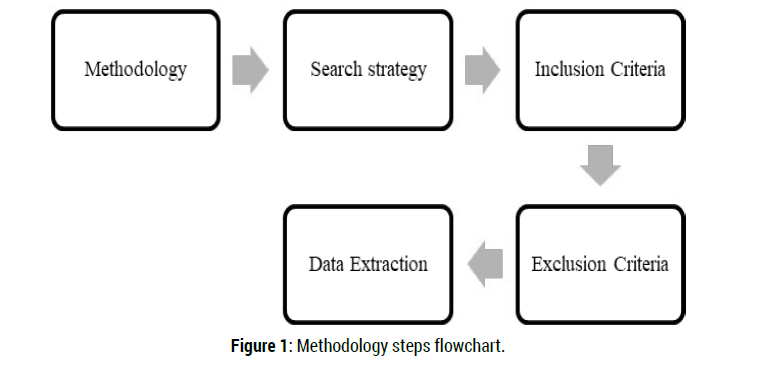
Figure 1: Methodology steps flowchart.
The search filter for 2015 to 2022 resulted in 8,000 results, excluding reviews, original articles, follow-up studies, prospective studies, and case reports. The research result was reduced to 1,412 and 556 by excluding duplicate results. After examining the remaining abstract and title of the article, the records left were 856. Abstracts and titles that did not match the research area's relevancy were discarded. The remaining articles came down to 50, with 20 articles excluded due to a language other than English. This study comprises 11 published and peer-reviewed articles that include case studies, case reports, retrospective controlled studies and cross-sectional studies that are perfectly relevant to the research study "Effects of Sleeve Gastrectomy on Fatty liver in type 2 Diabetes."
Bariatric Surgeries are the safest, most feasible, and acknowledged treatment for weight loss in obese individuals with complications and associated comorbidities such as Nonalcoholic fatty liver disease, Type 2 diabetes, cardiovascular disease, and Simple hepatic steatosis. SG is considered the protective and most efficacious methods of BS because of its increased success rates. SG is done to reduce excessive weight accumulated in the body. However, Other than weight reduction, SG is also known for positive outcomes in the fatty liver or NAFLD/NASH and type 2 diabetes after the surgery. Many studies have reported reduced BMI, Fibrosis, and other fatty liver diseases, while some reported remission in type 2 diabetes.
One year following bariatric surgery, an observational retrospective cohort research looked at the hepatic function, Fatty Liver Index (FLI) scores, and BARD (BMI, AST/ALT ratio, and DM, predictor of hepatic fibrosis). The majority of the patients (85%) were women, with 33% having diabetes, and the population's average age was 43. One year following surgery, FLI and BARD significantly declined, with sleeve gastrectomy being linked to a larger reduction of hepatic enzymes and a lesser reduction of FLI. Bariatric surgery is linked to decreased liver enzymes and improved FLI, making it an efficient NAFLD treatment [8].
According to a case matched study, a group of 13 patients with NASH related cirrhosis underwent SG between 2004 to 20013, 26 non-cirrhotic patients were matched in the study, the aim of the study was to evaluate the total surgical complication rate, with operating time, frequency of revision surgery, incidence of gastric fistula and hemorrhage, postoperative mortality, and weight reduction as secondary outcomes. The results concluded that the 93.3% of the cases of cirrhosis were caused by NASH. No mortality following surgery was noted, and the average operating duration was 75 minutes. The rate of postoperative complications was 7.7% overall, 0% for serious complications, and 0% for gastric fistulas. There were no cirrhosis-related problems noted [26].
Another case study comprised patients who had had an LSG at the Tokushima University Hospital, had a BMI of 35 kg/m2, had been receiving internal treatment for more than six months, and had co-morbidities with type 2 diabetes (T2DM), hypertension (HT), hyperlipidemia (HL), or sleep apnea syndrome. (SAS). Ten patients, five men and five women, were referred to the university between 2013 and 2017 for treatment of morbid obesity; five of the patients had T2DM and nine had HT. The outcomes showed that after three, six, and one year post-operatively, LSGs reduced excess weight loss, diabetes, hypertension, hyperlipidemia, and SAS. Additionally, they improved the NAFLD/NASH by lowering the AST/ALT number and raising the liver to spleen ratio in a plain CT scan [27].
In another case report, a 50-year-old obese patient with diabetes, hypertension, heart disease and liver problems such as chronic hepatopathy and Child A cirrhosis underwent LSG. One year after the surgery, patient’s results indicated an improvement liver function (total proteins 7.2 g/dL, albumin 4.3 g/dL, globulins 2.9 g/dL), improvement in hypertension (BP 130X80 mmHg), diabetes and a lipid profile (TC 126 g/dL, HDL 51 g/dL, TG 151 g/DL, and LDL 54). This study concluded that bariatric surgery improves NAFLD histology, resolution of steatohepatitis, fibrosis, and cirrhosis [28].
A study was done to evaluate and compare the effects of Roux-en-Y gastric bypass (RYGB) and sleeve gastrectomy (SG) on NAFLD, and the study included 9 SG patients and 14 RYGB patients having liver tests. The study's men-to-women ratio was 57% to 73%. Older age, baseline (BMI), and higher starting NAS were all associated with RYGB (Froylich et al., 2016). Weight reduction percentages were 32%, 11.8%, and 25%, 6.8% following RYGB and SG, subsequently, following an average follow-up of 1.5 years. Only steatosis and overall NAS improved after SG, but all morphologic parameters of NAS improved. Both groups' fibrosis states improved, although the effects of RYGB were more pronounced [29].
According to another case study, Obese adolescents aged 13-17 with NAFLD underwent LSG, lifestyle intervention with NSWL, and 24-hour ambulatory blood pressure estimates at baseline and one year following therapy. LSG was performed on 20 patients, intragastric weight loss devices (IGWLD) on 20 patients, and lifestyle management alone was performed on 53 patients. (NSWL). Patients who received LSG lost 21.5% of their initial body weight following treatment, whereas patients who got NSWL saw a rise of 1.7% in weight. All patients experienced a full recovery from NASH, and 18 patients no longer had stage 2 hepatic fibrosis. The subjects with preoperative hypertension noticed a decrease in blood pressure, and LSG was more effective in improving dyslipidemia, sleep apnea, and poor glucose metabolism [30]. However, another study determines how liver steatosis and fibrosis are affected by laparoscopic sleeve gastrectomy [31]. 72 of 120 individuals underwent screening in a row, with 52 patients being female and 20 being male. The median percentage of excess weight reduction was high (57.2%) after the surgery. Mean values for the controlled reduction parameter measurement before surgery were high, respectively, and were considerably decreased post-surgery (Batman et al., 2019). These findings imply that liver steatosis and fibrosis significantly improve following laparoscopic sleeve gastrectomy [31].
In one study, the Effects of SG and RYGB were compared for liver function tests (LFT) and glycemic management in metabolically ill obese patients with increased ALANINE aminotransferase (ALT), a common parameter for NAFLD and T2DM. The findings stated that SG significantly improved LFT and ALT parameters while improving insulin resistance and glycemic control. This finding concludes that SG can improve NAFLD/ NASH as well as Diabetes mellitus. [32]. According to another case report, the study shows 2 cases of post-transplant NAFLD in which minimally invasive sleeve gastrectomy led to improvements in weight, BMI, and obesity-related comorbidities, including NAFLD. The improvement in the liver was most likely caused by better hepatic steatosis and glycemic management. The effectiveness of LT and metabolicbariatric surgery depends on the timing of these treatments, which must take into account the severity of the specific disorders and their intricate interrelationships [33].
In a study conducted in 2015, 84 NAFLD patients were subjected to LSG; the findings after the surgery concluded that the BMI of the patients was reduced to 46 % and the mean EWL % dropped to 57 % respectively, while 56% of the patients showed resolution in NAFLD [34]. However, a cross-sectional research comprised T2DM patients referred for bariatric surgery at Vestfold Hospital Trust in Norway. To calculate the liver fat fraction (LFF) and level of fibrosis, magnetic resonance imaging (MRI) and the enhanced liver fibrosis (ELF) test were utilised. To estimate insulin sensitivity, oral and intravenous glucose tolerance tests were performed. The results of the study concluded that in individuals with extreme obesity and T2DM, hepatic steatosis, instead of the degree of liver fibrosis, is related to insulin sensitivity, suggesting that LFF is largely related to hepatic as opposed to peripheral insulin sensitivity [35] (Table 3).
| N | Title | Author | Study | Year | Description |
|---|---|---|---|---|---|
| 1 | The impact of bariatric surgery on hepatic function and predictors of liver steatosis and fibrosis | Borges-Canha, M., Neves, J. S., Mendonça, F., Silva, M. M., Costa, C., Cabral, P. M., Guerreiro, V., Lourenço, R., Meira, P., & Salazar, D | Retrospective cohort study, | 2020 | Bariatric surgery is associated with a reduction of the hepatic enzymes and an improvement of FLI and BARD. It may represent an effective therapeutic approach for NAFLD. |
| 2 | Laparoscopic sleeve gastrectomy in patients with NASH-related cirrhosis: A case-matched study | Rebibo, L., Gerin, O., Verhaeghe, P., Dhahri, A., Cosse, C., & Regimbeau, J. M | Case- Matched study | 2014 | SG can be done without postoperative complications and without cirrhosis, resulting in weight loss comparable to non-cirrhotic individuals. |
| 3 | The Effect of Laparoscopic Sleeve Gastrectomy on Obesity and Obesity-related Disease: the Results of 10 Initial Cases | Kashihara, H., Shimada, M., Yoshikawa, K., Higashijima, J., Miyatani, T., Tokunaga, T., ... & Hamada, Y | Case Study of 10 patients. | 2019 | Laproscopic Sleeve Gastrectomy drastically improves numbers of complications. |
| 4 | Laparoscopic Sleeve Gastroplasty in a patient with | Scheibe, C. L., Valadão, J. A., de Oliveira, C. M. B., Moura, E. C. R., Campelo, G. P., de Lima, R. C., ... & da Cunha Leal, P | Case Report | 2020 | Laparoscopic sleeve gastrectomy improves NAFLD, cirrhosis, Diabetes and hypertension. |
| cirrhosis and diabetes: a case report | |||||
| 5 | Effect of Roux-en-Y gastric bypass and sleeve gastrectomy on nonalcoholic fatty liver disease: a comparative study | Froylich, D., Corcelles, R., Daigle, C., Boules, M., Brethauer, S., & Schauer, P | Comparative case study | 2016 | RYGB and SG procedures showed no significant differences in NAS score decrease, suggesting a randomized trial to determine the differential effects of SG and RYGB on NAFLD. |
| 6 | The benefit of sleeve gastrectomy in obese adolescents on nonalcoholic steatohepatitis and hepatic fibrosis | Manco, M., Mosca, A., De Peppo, F., Caccamo, R., Cutrera, R., Giordano, U., ... & Nobili, V | Case Studies | 2017 | LSG improved NASH and reverted fibrosis in most of the cases. |
| 7 | The effect of laparoscopic sleeve gastrectomy on nonalcoholic fatty liver disease | Batman, B., Altun, H., Simsek, B., Aslan, E., & Namli Koc, S | Retrospective and prospective case study | 2019 | laparoscopic sleeve gastrectomy is associated with significant improvement in liver steatosis and fibrosis. Bariatric surgery has a beneficial effect on nonalcoholic fatty liver disease in morbidly obese patients. |
| 8 | Combined nonalcoholic fatty liver disease and type 2 diabetes mellitus: sleeve gastrectomy or gastric bypass?—a controlled matched pair study of 34 patients | Billeter, A. T., Senft, J., Gotthardt, D., Knefeli, P., Nickel, F., Schulte, T., Fischer, L., Nawroth, P. P., Büchler, M. W., & Müller-Stich, B. P | Controlled Matched pair study of 34 Patients. | 2016 | SG appears to improve LFT better than RYGB in well-matched obese patients with both elevated ALT and T2DM. This suggests that SG may have a better effect on NAFLD than RYGB, with similar effects on glycemic control. |
| 9 | Minimally invasive sleeve gastrectomy as a surgical treatment for nonalcoholic fatty liver disease in liver transplant recipients | Ayloo, S., Guss, C., Pentakota, S. R., Hanna, J., & Molinari, M | Case Report | 2020 | SG improves NAFLD/NASH, controls or improves glycemic index thereby improving diabetes mellitus. |
| 10 | Nonalcoholic fatty liver disease resolution following sleeve gastrectomy | Algooneh, A., Almazeedi, S., Al-Sabah, S., Ahmed, M., & Othman, F | A retrospective analysis. | 2016 | Weight loss after LSG effectively resolved NAFLD in more than half of the obese patients in this study and can be useful in tackling the disease in the future. |
| 11 | Association between hepatic steatosis and fibrosis with measures of insulin sensitivity in patients with severe obesity and type 2 diabetes-a cross-sectional study | Seeberg, K. A., Hofsø, D., Borgeraas, H., Grimnes, J. O., Fatima, F., Seeberg, L. T., ... & Hjelmesæth, J. | Cross-sectional study | 2022 | Sleeve gastrectomy can reverse type 2 diabetes and improve NAFLD. |
Table 3: Studies Selected for the evaluation.
From the evaluation of several relevant studies, it is concluded that Sleeve gastrectomy is an effective technique for weight loss in obese patients. It has a significantly positive association in reversing nonalcoholic fatty liver diseases (NAFLD) and Nonalcoholic steatosis hepatitis (NASH). It has also been reported in the selected studies that SG can improve insulin resistance and glycemic index while also aiding in the remission of Type 2 diabetes.
None
None
None
Indexed at, Google Scholar, Crossref
Indexed at, Google Scholar, Crossref
Indexed at, Google Scholar, Crossref
Indexed at, Google Scholar, Crossref
Indexed at, Google Scholar, Crossref
Indexed at, Google Scholar, Crossref
Indexed at, Google Scholar, Crossref
Indexed at, Google Scholar, Crossref
Indexed at, Google Scholar, Crossref
Indexed at, Google Scholar, Crossref
Indexed at, Google Scholar, Crossref
Indexed at, Google Scholar, Crossref
Indexed at, Google Scholar, Crossref
Indexed at, Google Scholar, Crossref
Indexed at, Google Scholar, Crossref
Indexed at, Google Scholar, Crossref
Indexed at, Google Scholar, Crossref
Indexed at, Google Scholar, Crossref
Indexed at, Google Scholar, Crossref
Indexed at, Google Scholar, Crossref
Indexed at, Google Scholar, Crossref
Indexed at, Google Scholar, Crossref
Indexed at, Google Scholar, Crossref
Indexed at, Google Scholar, Crossref
Indexed at, Google Scholar, Crossref
Indexed at, Google Scholar, Crossref
Indexed at, Google Scholar, Crossref
Indexed at, Google Scholar, Crossref
Indexed at, Google Scholar, Crossref
Citation: Dr. Ibrahim El Bayoumy. Effect of Sleeve Gastrectomy on Fatty Liver in Diabetes Type 2 Patients: Systematic Review. J Diabetes Metab, 2023, 14(7): 1018.
Received: 30-Jun-2023, Manuscript No. jdm-23-25250; Editor assigned: 03-Jul-2023, Pre QC No. jdm-23-25250(PQ); Reviewed: 17-Jul-2023, QC No. jdm-23-25250; Revised: 24-Jul-2023, Manuscript No. jdm-23-25250(R); Published: 31-Jul-2023
Copyright: © 2023 Bayoumy I. This is an open-access article distributed under the terms of the Creative Commons Attribution License, which permits unrestricted use, distribution, and reproduction in any medium, provided the original author and source are credited.